
All in for forests
A roadmap for communities, families and smallholders to resilient forests and improved livelihood of people who work with them.
FSC supports community and family forests members harnessing their experience to further benefit from their forest stewardship.
Smallholders, communities and family forest owners have always been at the heart of FSC. Protecting the world’s forests requires the involvement and inclusion of the people that live in and depend on forests. By empowering these groups, we can gain access to their unique (or traditional or ancestral) insights about forest stewardship. This is why FSC works directly with community and family forests members to develop and implement effective solutions that build on their knowledge and existing efforts to preserve biodiversity and ensure the long-term viability of forests.
Communities, family forest members and Indigenous Peoples have been effective stewards of our world’s forests for centuries.
Indigenous and local communities can hold a deep spiritual connection to their land and encompass management practices that prioritize conservation and resilience. They have been custodians of the world’s forests for centuries, and FSC is working to ensure this remains true for generations to come.
Why it matters for FSC

Mission
To ensure equity of access for some of the most important stewards of the world’s forests.

Relevancy
32% of global land and associated inland waters are owned or managed by Indigenous People or local communities (Source: 2021, IUCN)

Business
A crucial source of supply on which many global, regional or local value chains depend on.





Our Toolbox
FSC offers forest management certification and has developed a toolbox containing solutions to address the various challenges that smallholders face on their journey to certification.
FM Certification Core Offerings: The FSC system had always considered special provisions for small-scale and community forests. Our current policies, standards and procedures have taken it one step further.

Forest Management Groups Standard
Forest managers can group together and share their efforts, which makes it easier for community and family forests to become FSC certified. This streamlines requirements and audit procedures, reducing the overall cost and effort involved. Download the Group Standard here.
 Access the FM Group STD

Certification for small or low-intensity managed forests (SLIMF) and community forests
FSC has developed definitions for small, low-intensity, and community forests so FSC standards and other FSC requirements can be adapted for local contexts. To find out if SLIMF or community forest certification is available in your area, contact your local FSC team.
Access the SLIMF & CF eligibility criteria

Continuous Improvement Procedure (CIP)
The Continuous Improvement Procedure empowers small, low-intensity, and community forests to become FSC certificate holders while they work toward full implementation of the FSC standards. Forest managers initiate and implement crucial measures immediately and then commit to a step-by-step plan to conform with all requirements within five years. Download the procedure here.
Access the CIP procedure

APAC RFSS
FSC has developed a regional standard that meets the specific needs of small-scale forests in Southeast Asia, where the average forest size is about three hectares. This new, outcome-oriented standard significantly reduces the complexity of certification. The pilot programs have ended in India, Indonesia, Thailand and Vietnam.
Learn more about this process
CFF Toolbox: The Community & Family Forests Toolbox is a set of solutions to address the different challenges these groups face in an inclusive and innovative way. Co-created with communities and indigenous knowledge, and region-specific adaptations.

Economic Viability Tool
Helps community and family forest managers collectively analyze management scenarios of their resources, identifying how economic viability and other benefits can be generated as they move towards sustainable forest management.
To access these tools, please contact us at: communityfamilyforest@fsc.org

Screening tool
Helps forest managers quantitatively assess the chances of success for specific initiatives. The information helps these managers prioritize projects, invest their resources more effectively, and understand when and if to pursue funding.
To access these tools, please contact us at: communityfamilyforest@fsc.org

Timber Training Program
Volume Aggregator Tool: Empowers community and family forest managers to aggregate volumes and negotiate collectively with the buyer. Facilitator Network: FSC trains facilitators on the Community and Family Toolbox to empower them to work with community and family forests and support them in their journeys to FSC certification.
To access these tools, please contact us at: communityfamilyforest@fsc.org

Volume Aggregator Tool
One barrier to accessing the market is a low offer of volumes, mainly of lesser-known timber species, which can be overcome when timber producers negotiate a joint offer with the potential buyer. The Volume Aggregator is a tool that communities and any timber producer can use to consolidate their timber offer to the market.
To access this tool, please contact us at: communityfamilyforest@fsc.org

eTraining on FM Certification Core Offerings
- The Forest Management Groups Standard
- The Continuous Improvement Procedure
- The SLIMF and Community Forest Eligibility Criteria
Visit e-trainings

Collective Impact Methodology
A medium to long-term, collaborative approach designed to systematically create enabling conditions and incentives for sustainable forest management. It is applied when a value chain approach is insufficient. It can be used by FSC Network Partners or any other organisation to promote collaborative and systemic processes.
To learn more, please contact us at: communityfamilyforest@fsc.org

Community of Practice
Its purpose is to build and sustain a community that, through collective and participatory processes, acquires knowledge and skills to disseminate information, train others on FSC solutions and tools, and support long-term responsible forest management and FSC certification.
To learn more, please contact us at: communityfamilyforest@fsc.org
Enablers - Through the Collective Impact Methodology and other participatory tools, FSC support communities and family members to overcome barriers and get certified.

Raising awareness
To translate FSC nomenclature for communities, smallholders, families and Indigenous Peoples, we are continuously working on developing supplemental communications and engagement material such as the FSC Game, videos and stories for our users to understand more about how to take part in FSC solutions. Go to the game here: www.journeytofsc.org
Visit e-trainings

E-training
- The Forest Management Groups Standard
- The Continuous Improvement Procedure
- The SLIMF and Community Forest Eligibility Criteria

Capacity Building
We work with partners and communities to deliver on-site trainings and capacity building based on the needs of the group. This can include specific aspects of forest management, a full training on the entire national standard, identification of both market and resource benefits and more. Contact your local FSC office to learn more or reach out to communityfamilyforest@fsc.org

Fundraising & Partnerships
We work to find partner organizations to support work on the ground with mutual initiatives. Contact communityfamilyforest@fsc.org to start a partnership initiative.

How our tools work together
Our work supports small-scale, and community forests every step of the way: what we call the ‘Journey to FSC Certification’ with three phases: pre-certification, Forest Management Certification and Adding Value.
Screening Tool
To support decision-making and prioritization of ground initiatives and investments.Economic Viability Tool (EVT)
To empower communities and family forest stewards analyzing their territories and forest resources.Collective Impact Methodology
To assess the local conditions for the type of approach needed.Training and workshops
To train and build capacity of participants in an interactive and educational way.SLIMF & CF eligibility criteria
Offering international criteria and definitions for small or low intensity managed and community forests to be included in the national forest stewardship standards.Forest Management Groups Standard
Forest managers can group together and share their efforts, which makes it easier for community and family forests to become FSC-certified. This streamlines requirements and audit procedures, reducing the overall cost and effort involved.Continuous Improvement Procedure (CIP)
Offering a tailored pathway to allow step-by-step compliance over time, introducing flexibility, allowing managers to progressively meet requirements over a 5-year cycle.Asia–Pacific Regional Standard for Smallholders (AP RFSS)
A regional solution that further adapt certification to local realities, in specific for smallholders in Indonesia, India, Vietnam, and Thailand with management units under 20 hectares.Community of Practice
Allowing practitioners to share knowledge, train others, and advance long-term responsible forest management.Timber Training Program and Value aggregator Tool
Covering FSC requirements, timber business, and value chain development. Tools like the Volume Aggregator help smallholders connect to larger markets.Ecosystem Services Procedure
Procedure that helps to capture environmental benefits. Access the ES PRO here.Our solutions and tools in action
Dive deeper into some case studies where the Community & Family Forests solutions and tools have been implemented on the ground.
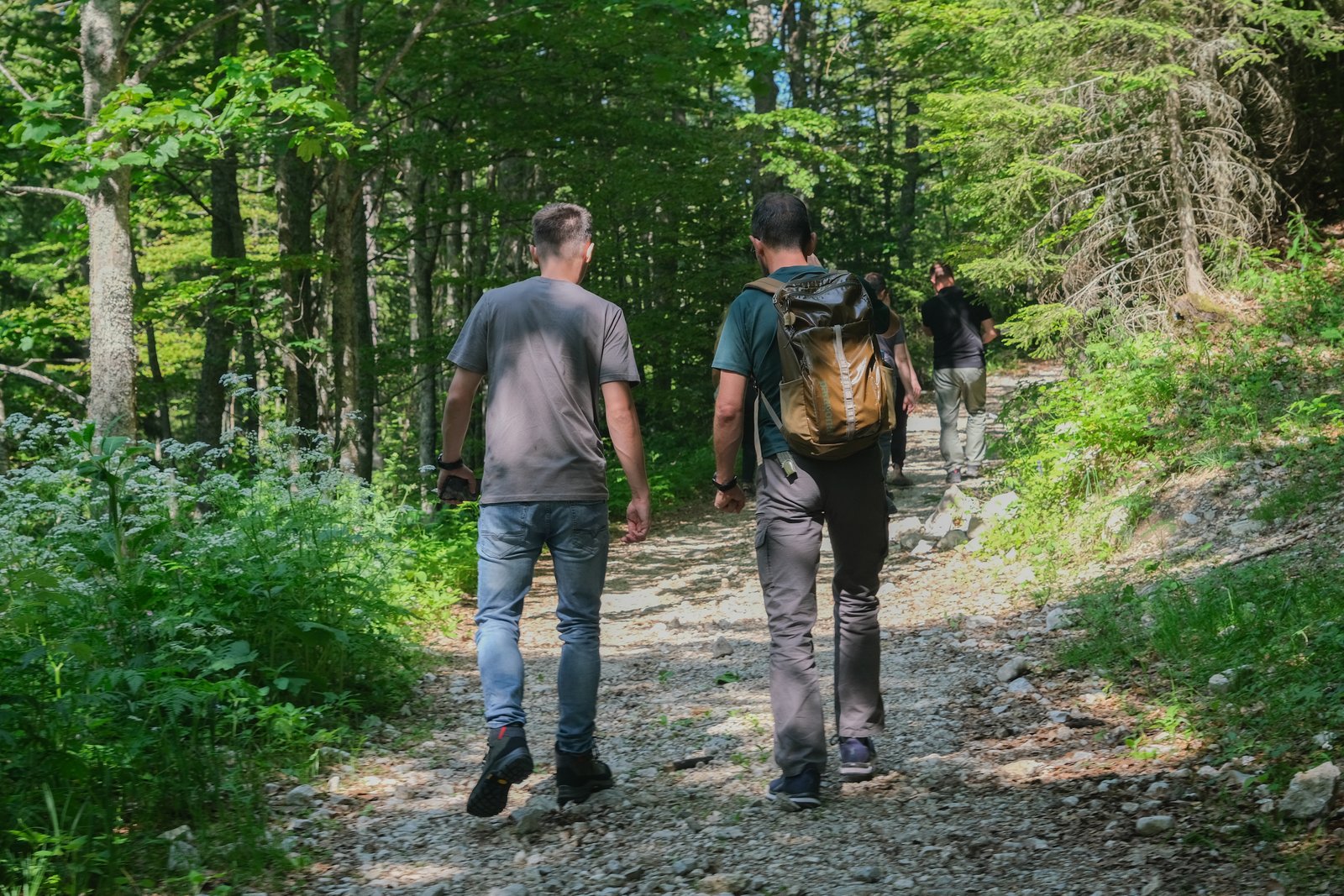
Industrial FM Groups Supporting Smallholders in Finland
A case study showing how strong industry players can open certification opportunities for smallholders.
Learn more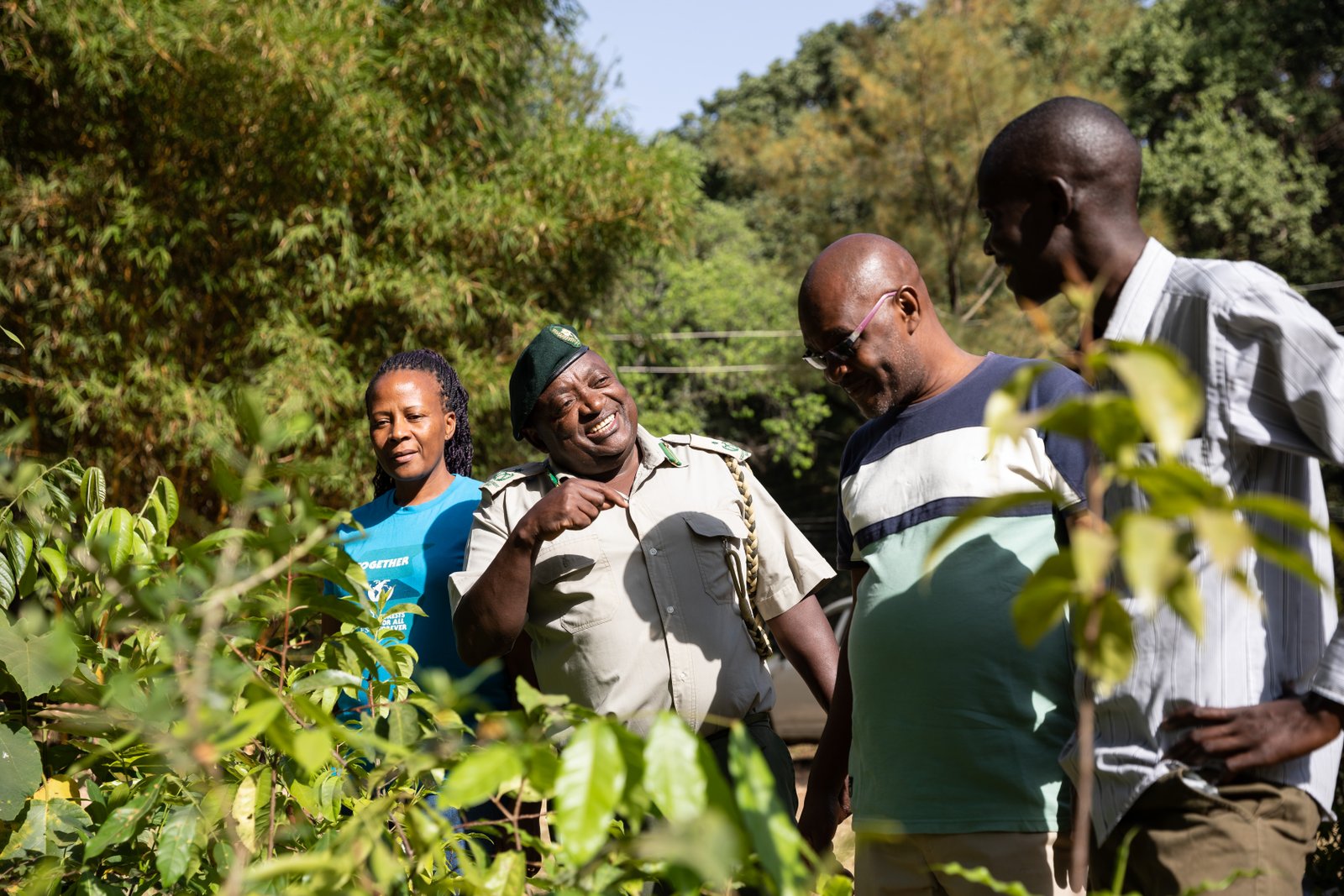
Engaging Smallholders to Expand Sustainable Timber Certification in Kenya
A case study shows how smallholders in western Kenya manage tiny, dispersed woodlots, on average 2.5 acres, supplying poles and construction timber.
Learn more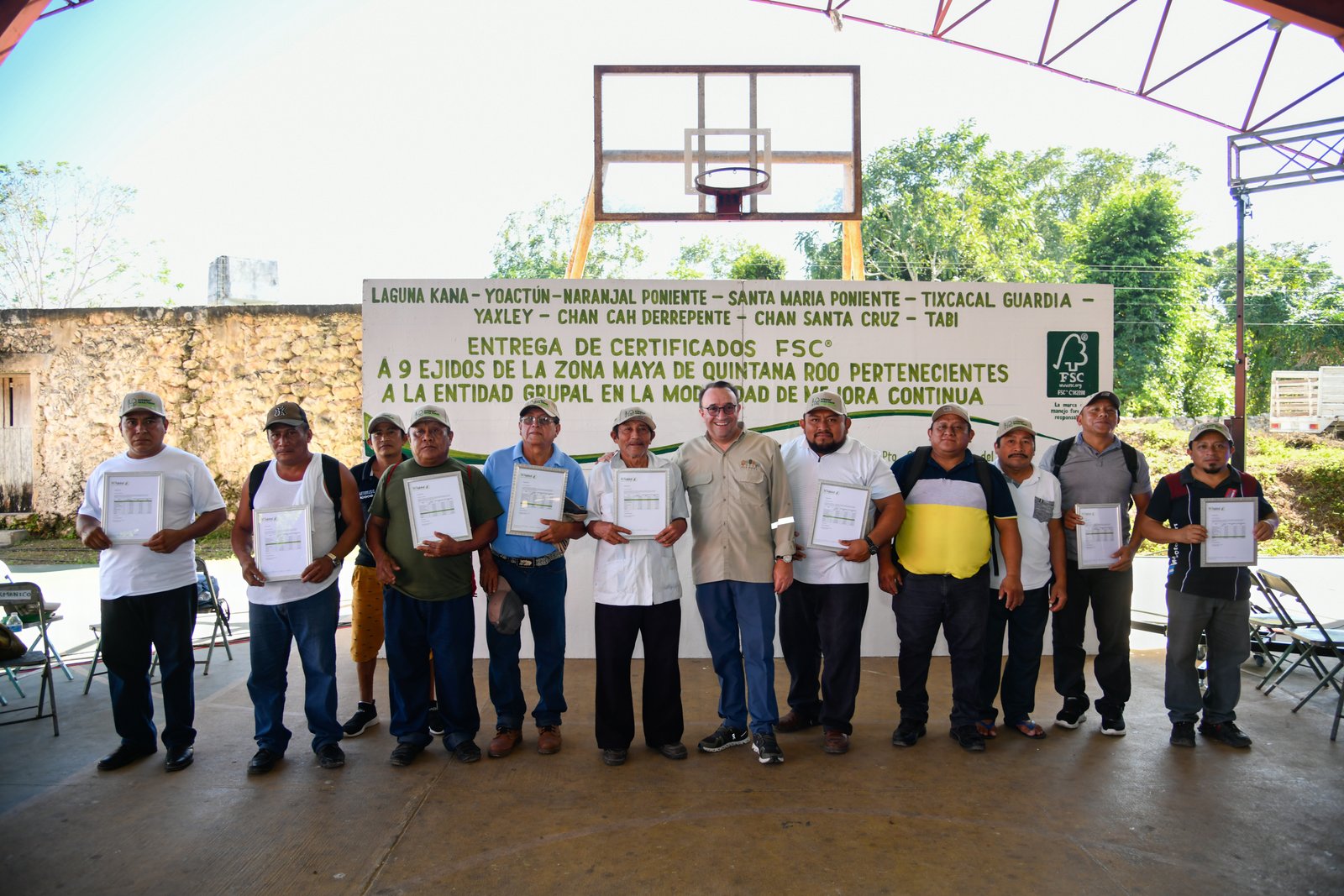
From Tradition to Certification First CIP Certification in Mexico
A case study shows how Mayan ejidos manage large areas of tropical forests in Yucatán Peninsula in Mexico.
Learn more
Where do we work?
Find examples of our global initiatives below.


CFF by the numbers
Our reach, your impact
SLIMF Certificate holders*
Community Certificate holders*
Certified under the CFF scope*
Families certified using CIP**
Facilitators trained to date
Trainings delivered yearly
* Based on CFF Dashboard, Q3 2025
** Estimate based on best available data, Q2 2025

FSC Smallholder Stories from various regions

8 videos published featuring Kenya, Wales, and Asia-Pacific

1 interactive game

3 e-training courses in FSC’s 3 official languages
Additional Resources
Games, stories, and training built for smallholders and community forests — discover the tools that make FSC certification accessible.
Explore the Journey to FSC game
to discover tailored certification solutions for community and family forests. Collect tokens in our virtual forest and learn how FSC is becoming more accessible for smallholders.
Explore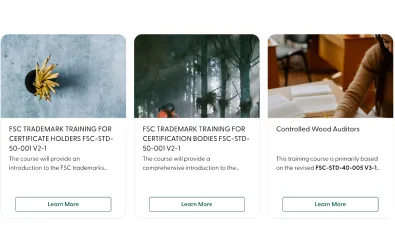
Training
Are you interested in learning more about the FM Certification Core Offerings for smallholders? Would you like to understand if group certification is right for you, or what the Continuous Improvement Procedure?
FSC training platformStories from around the world
Discover how smallholders and communities are making a difference with FSC — real stories, practical guidance, and inspiring journeys toward responsible forest management.
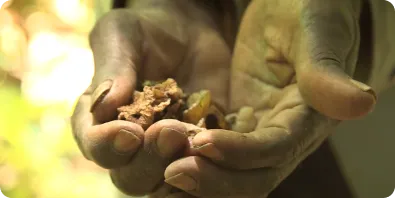
Smallholders driving change in Kenya

Welsh woodland communities — Part 1
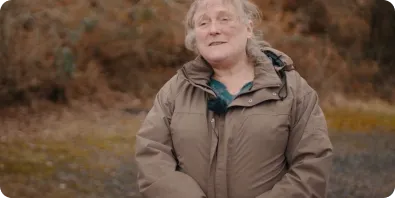
Welsh woodland communities — Part 2
Watch these inspiring videos in Vietnam and India to learn more about the AP RFSS
implementation on the ground.
The Collective Impact methodology has been applied in three Latin American countries.

Family forests in Viet Nam

Community forestry in Kerala
The Collective Impact methodology has been applied in three Latin American countries.
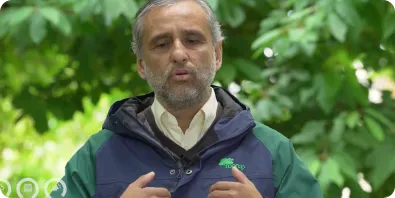
Applying Collective Impact for Responsible Forest Management